Social Media's Impact on Well-being: Key Insights from Global Report
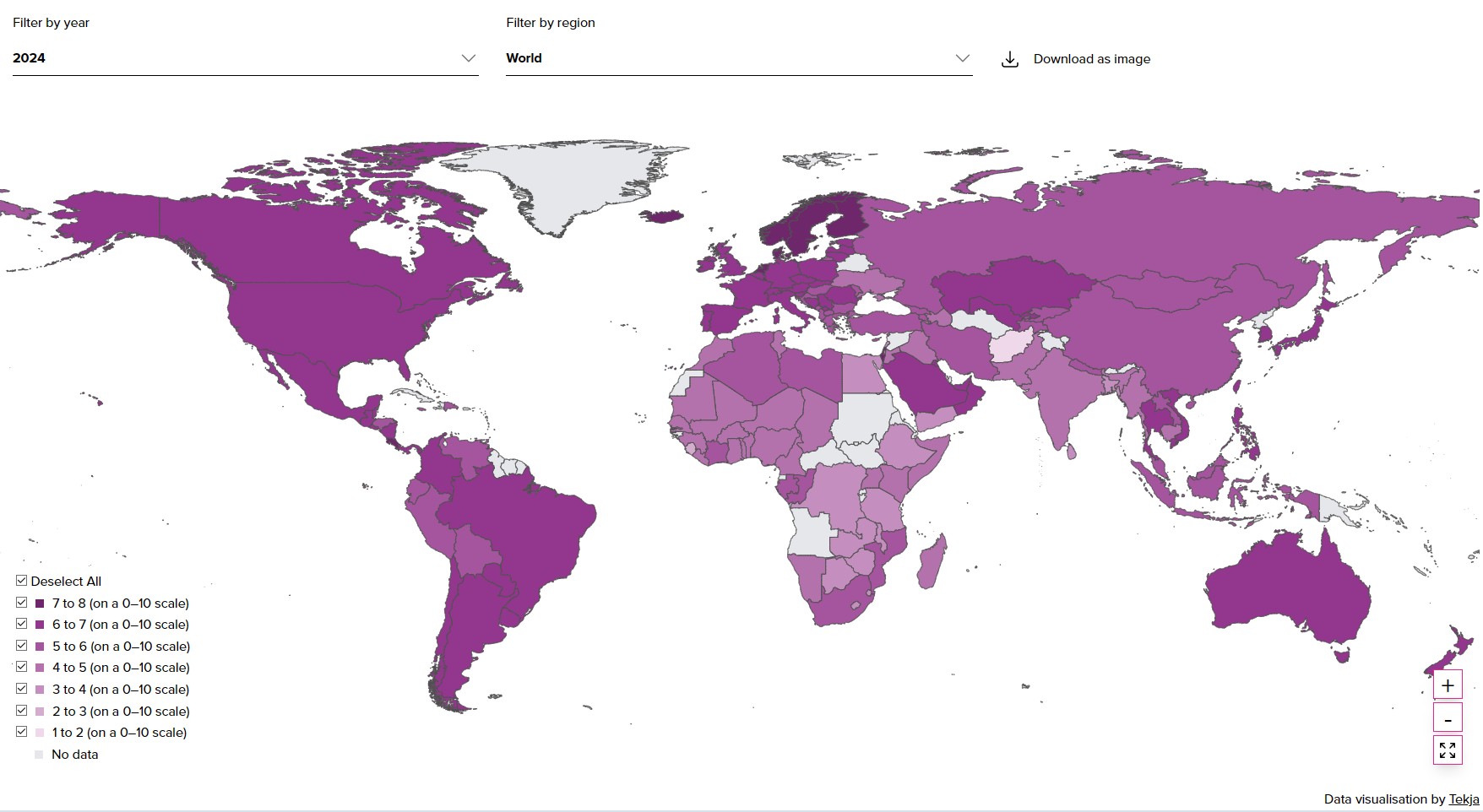
Each year, as the world celebrates International Day of Happiness on March 20th, the eagerly anticipated World Happiness Report unveils its findings, offering a comprehensive snapshot of global contentment. The 2026 edition, drawing insights from people across 147 countries between 2023 and 2025, not only crowned the globe's happiest nations but also cast a significant spotlight on an increasingly pervasive aspect of modern life: social media's profound influence on well-being. This year's report delves deep into how our digital interactions shape our happiness, particularly for younger generations.
Unpacking the World Happiness Report 2026: Who Made the Cut?
For the sixth consecutive year, Finland proudly retains its title as the world's happiest country, a testament to its robust societal structures and commitment to citizen welfare. The Nordic nations continue their impressive dominance, with Iceland, Denmark, Sweden, and Norway securing prominent spots within the top ten. This consistent performance by Scandinavian countries often sparks curiosity about their secret to sustained contentment – factors like strong social support networks, high trust in government, low corruption, and excellent work-life balance are frequently cited.
However, the 2026 report also highlights some intriguing shifts and notable inclusions in the prestigious top ten. Switzerland, a beacon of stability and prosperity, made a welcome return to the list, landing in 10th place. Unexpectedly, Costa Rica surged into the top five, demonstrating that high happiness levels are not exclusive to affluent European nations but can also flourish in countries with strong community ties and a Pura Vida philosophy. Meanwhile, nations like Israel, the Netherlands, and Luxembourg solidify their positions among the global elite of happy countries.
Here are the ten happiest countries in the world (Glücklichste Länder Der Welt) according to the 2026 World Happiness Report:
- Finland
- Iceland
- Denmark
- Costa Rica
- Sweden
- Norway
- Netherlands
- Israel
- Luxembourg
- Switzerland
Interestingly, Germany found itself outside the top 20, ranking 22nd in 2025 (a slight improvement from 24th a year prior, but a significant drop from its 7th place standing in 2020). This ebb and flow in national happiness underscores the dynamic nature of these global rankings, influenced by myriad factors ranging from economic stability to social cohesion. For more detailed insights into Germany's standing and Switzerland's rise, you can explore our related article: Germany Drops, Switzerland Rises: Global Happiness Report 2026 Facts.
The Digital Double-Edged Sword: Social Media's Influence on Well-being
Perhaps the most compelling new focus of the 2026 World Happiness Report is its in-depth analysis of social media's impact on well-being, especially among young people in Western countries. Conducted by the UN's Sustainable Development Solutions Network and Gallup, the analysis reveals a complex and nuanced relationship, far from a simple negative correlation.
The report asserts that a high duration of social media usage is, on average, associated with lower well-being. This effect is particularly pronounced among adolescents and young adults in English-speaking nations and Western Europe. This finding resonates with growing concerns about the mental health implications of constant digital connectivity, including increased rates of anxiety, depression, and feelings of inadequacy stemming from social comparison and FOMO (Fear Of Missing Out).
However, the report is quick to caution against a blanket condemnation of social media platforms. It emphasizes that social media is not inherently detrimental. Instead, the critical factors lie in which platforms are used, how they are designed, and most importantly, whether they genuinely strengthen social connections or primarily foster attention-seeking behavior and comparison. Platforms that prioritize authentic interaction, community building, and shared interests tend to have a more positive impact, whereas those heavily geared towards curated perfection and viral content can exacerbate feelings of isolation and inadequacy.
Beyond the Rankings: Cultivating Personal Happiness in a Digital Age
Understanding the global happiness rankings and the nuanced role of social media offers a powerful opportunity for self-reflection and actionable change. How can individuals, especially younger generations, navigate the digital landscape to safeguard and even enhance their well-being?
- Mindful Consumption: Treat social media like a balanced diet. Be conscious of what you consume. Unfollow accounts that trigger negative emotions, comparison, or anxiety. Actively seek out content that inspires, educates, or connects you with like-minded individuals.
- Time Management: Set boundaries for your usage. Utilize app blockers or phone settings to limit screen time. Designate "no-phone zones" or "digital detox hours" throughout your day, especially before bedtime, to improve sleep quality.
- Prioritize Real-Life Connections: Social media should complement, not replace, face-to-face interactions. Invest in genuine relationships with friends, family, and community members. These real-world connections are crucial pillars of happiness, as highlighted by the consistently high-ranking nations.
- Engage Actively, Not Passively: Instead of passively scrolling, use social media to engage in meaningful conversations, support causes you care about, or connect with diverse perspectives. Active engagement, when focused on genuine interaction, can foster a sense of belonging.
- Cultivate Self-Awareness: Pay attention to how different platforms and types of content make you feel. If a particular interaction or scrolling session leaves you feeling drained or inadequate, take a break and re-evaluate your usage patterns.
The lessons from the happiest countries often point to strong social safety nets, high levels of trust, freedom to make life choices, and robust community ties. While individual actions are important, these findings also call on policymakers and platform designers to create environments – both digital and physical – that foster genuine well-being.
What Drives Global Contentment? Key Factors Explored
The World Happiness Report's methodology is rigorous, going beyond mere economic indicators to paint a holistic picture of contentment. Experts analyze survey data from 147 countries, asking individuals to rate their lives on a scale of 0 to 10 (with 10 being the best possible life). This subjective assessment is then correlated with six key objective variables:
- Gross Domestic Product (GDP) per capita: A measure of economic output and general prosperity.
- Social Support: The perception of having someone to count on in times of trouble.
- Generosity: Recent donations to charity, reflecting altruism and community spirit.
- Freedom to Make Life Choices: The perceived liberty to make decisions about one's life.
- Life Expectancy: A measure of health and longevity.
- Perceptions of Corruption: The absence of corruption in government and business, fostering trust.
These factors collectively explain a significant portion of the variation in national happiness levels. Countries consistently ranking high, like Finland, excel in nearly all these areas, demonstrating that true happiness is a multifaceted construct, deeply intertwined with societal structures, economic stability, and personal liberties. Even within Germany, the regional data reveals varying levels of satisfaction, with Hamburg residents reporting the highest contentment (7.38 points) in 2024, followed by Schleswig-Holstein and Bavaria, contrasting with lower scores in Mecklenburg-Vorpommern. This internal diversity underscores how even within a single nation, local conditions and cultural nuances play a significant role in overall well-being.
The 2026 World Happiness Report serves as a crucial reminder that happiness is a dynamic and evolving pursuit, influenced by both global trends and personal choices. As we continue to navigate an increasingly digital world, understanding social media's nuanced impact and drawing lessons from the globe's happiest nations becomes more vital than ever.